
Check the details before planning a visit
Venue listings may not confirm machine hours, while searches about destinations, online access and cashless play have separate limitations.
Table of Contents
- Checking Whether a Tasmanian Pokies Venue Is Open
- What “Best-Paying” Can and Cannot Establish
- Finding Venues Near Airports and Other Destinations
- Tasmanian Pokies Venues and Their Operating Context
- The Spirit of Tasmania and Online Casino Searches
- Why 24-Hour Availability Cannot Be Confirmed
- Pokies in Tasmania: What the Available Evidence Shows
- Online Pokies Searches and the Limits of Mobile Access
- Pokies in Hobart CBD and Local Clubs
- Cashless Pokies Searches and PayID
Checking Whether a Tasmanian Pokies Venue Is Open
A venue described as open is not necessarily operating its pokies at the same time. The premises may be trading while a gaming area is unavailable, or the published hours may refer to the venue rather than to the machines. These are separate details, so a single “open” label does not settle both questions.
For a current status check, the useful distinction is between a general listing and a direct update from the venue. Search results and map listings can provide a starting point, but their displayed hours may not reflect a temporary change. A venue’s own current notice or a phone confirmation is more relevant when the timing matters. Any information should be checked against the specific venue and the intended visit, rather than treated as a statewide schedule.
The time attached to an opening claim also matters. “Open now” refers to a moment, and may cease to be accurate shortly afterwards. A stated opening time is a different claim: it indicates when a venue or gaming area is scheduled to begin operating, not proof that it is operating at the moment of checking. Early-morning searches, including searches for pokies available around six or seven, therefore require confirmation of the relevant hours rather than an assumption based on a venue’s general trading status.
The same care applies to late-night information. A listing that shows a venue as open late does not, by itself, establish how long its gaming machines remain in operation. Nor does a broad claim about Tasmanian opening times establish the schedule of any particular premises. Hours can be venue-specific, and a change to normal operations may not be reflected immediately in every listing. Without a current, venue-specific confirmation, a precise claim about when pokies are available should not be treated as settled.
Venue status and machine operation
The phrase “pokies open” can refer to several things: the venue being open to the public, the gaming area being accessible, or machines being in operation. These meanings should not be collapsed into one. A report of a venue’s opening hours may answer only the first; a current confirmation about the gaming area is needed to answer the others.
This distinction also helps assess claims made in directories or informal discussions. A listing may be useful for identifying a venue, but it is not necessarily a reliable record of machine operating status. A comment that a place was open on a previous visit is time-bound, while a general schedule can be affected by changes that have not yet been reflected online. Neither is equivalent to a current confirmation.
A search for a named business does not prove that it has a Tasmanian pokies venue. In particular, the appearance of a well-known casino name in a search phrase should not be taken as evidence of a local premises, its gaming facilities, or its current operating status. Those claims require confirmation about the specific business and location, rather than inference from the name alone.
Responsible gambling arrangements
A reported venue requirement concerns staffing while gaming machines are operating. Regionriverina.com.au reported that, from 1 July, venues with more than 20 gaming machines must have a dedicated responsible gambling officer (RGO) on duty during machine operation. The report also described a one-month grace period for venues to remove signage and introduce the officer role. These details concern responsible-gambling arrangements; they do not establish which venues are open or specify their opening hours.
The same report described a requirement for venues to maintain a gambling incident register. The register is intended to record incidents, including circumstances in which a patron’s behaviour indicates possible risk of, or harm from, gambling. This is relevant to how a venue manages gambling-related incidents, but it should not be read as a real-time indicator that its machines are operating.
The operating-status question and the staffing requirement are therefore related only in a limited way: the reported RGO duty applies while machines are operating at venues above the stated machine threshold. It does not provide a timetable for those machines, and it cannot be used to infer that a venue is open at a particular hour. Nor does the requirement itself confirm that a particular Tasmanian venue meets the threshold or has machines operating at a given time.
When a precise visit depends on pokies being available, the clearest basis is a current confirmation from the venue that distinguishes its own opening hours from the operating hours of its gaming area. General labels such as “open” or “open now” should be interpreted narrowly: they describe a status at a point in time, not a guarantee about machine availability throughout the day.
What “Best-Paying” Can and Cannot Establish
Top operators
Choosing pokies in Tasmania means considering which operators are relevant to your play and what practical details are available before you sign up. This list offers a concise reference to the stated information for each option.
-
DragonSlots Casino
- License
- Curacao Gaming Authority (Jumpman Gaming Ltd)
DragonSlots Casino is listed with a Curacao Gaming Authority license held by Jumpman Gaming Ltd.
-
SpinsUp
- License
- Curacao Gaming Control Board OGL/2023/174/0082 (Dama N.V.)
SpinsUp is listed with a Curacao Gaming Control Board license, OGL/2023/174/0082, held by Dama N.V.
-
JeetCity Casino
- License
- Curacao eGaming (Dama N.V.)
JeetCity Casino is listed with a Curacao eGaming license held by Dama N.V.
-
Roby Casino
- License
- Curacao eGaming (Roby Games Ltd)
Roby Casino is listed with a Curacao eGaming license held by Roby Games Ltd.
-
Neospin
- License
- Curacao Gaming Control Board OGL/2023/176/0095 (Hollycorn N.V.)
Neospin is listed with a Curacao Gaming Control Board license, OGL/2023/176/0095, held by Hollycorn N.V.
-
Rollero Casino
- License
- Curacao Gaming Control Board OGL/2023/176/0095 (Hollycorn N.V.)
Rollero Casino is listed with a Curacao Gaming Control Board license, OGL/2023/176/0095, held by Hollycorn N.V.
-
Kingmaker
- Payout speed
- crypto ~90 minutes, fiat 1-5 days
- Min. deposit
- A$30
Kingmaker lists crypto payouts at about 90 minutes and fiat payouts in 1–5 days. Its minimum deposit is A$30.
-
SkyCrown
- License
- Tobique Gaming Commission
- Payout speed
- crypto ~10-15 minutes, fiat 1-5 days
- Min. deposit
- A$30
SkyCrown lists a Tobique Gaming Commission license, crypto payouts at about 10–15 minutes, and fiat payouts in 1–5 days. Its minimum deposit is A$30.
-
Ricky Casino
- Payout speed
- crypto under 1 hour, PayID 1-3 business days
- Min. deposit
- A$20 (A$30 to qualify for the bonus)
Ricky Casino lists crypto payouts in under an hour and PayID payouts in 1–3 business days. The minimum deposit is A$20, or A$30 to qualify for the bonus.
-
Thor Casino
- License
- Curacao – Antillephone N.V. (Versus Odds B.V.)
- Min. deposit
- EUR 20
Thor Casino is listed with a Curacao license from Antillephone N.V. (Versus Odds B.V.). Its minimum deposit is EUR 20.
A claim that a pokie is “best-paying” requires more than its name or a record of past wins. It needs a defined basis for comparison, such as the return setting that applies to the game being assessed. Without that information, a ranking of the best pokies in Tasmania cannot be established from game titles alone. Nor does a game’s presence at a Tasmanian venue, or its popularity among players, show that it offers a higher return.
A specialist review reports that some game providers allow casinos to choose among different return-to-player (RTP) settings for the same pokie. If that account applies to a particular game, the title alone does not identify the setting in use: the same game could have different RTP percentages at different casinos. This makes comparisons dependent on knowing both the game and the applicable setting. A published RTP figure is useful only if it can be tied to the relevant version and venue; an unqualified figure may not describe the game as encountered elsewhere.
RTP is a long-run statistical measure, not a forecast of what a player will receive during a short session. Even where a setting is known, it does not specify the outcome of any particular spin or establish that a player will recover a particular share of their stakes. A higher stated return, if verified on a comparable basis, would not mean that a game is more likely to pay out on the next spin. It also would not turn an uncertain outcome into a reliable way to make money.
The reason is that each spin is generated separately. A pokie uses a Random Number Generator (RNG) to produce the result, and one spin does not determine the next. A recent win does not make a further win due, while a run without a win does not make a payout more likely. Past results can describe what has already happened, but they do not provide a dependable method for predicting the next outcome. Patterns inferred from a brief sequence of results are therefore not evidence of a future advantage.
This distinction matters when assessing descriptions of “best-paying pokies” in Tasmania, including games found in a casino setting or in the city centre. A list based on popularity, player reports or memorable jackpots would answer a different question from a comparison of RTP settings. A large past prize shows that a prize was won; without further information, it does not establish the game’s comparative return or the probability of another player receiving a similar result. Likewise, a game described as “hot” or “due” is not supported by the independence of its spins.
Do
- Use verified RTP settings tied to the specific venue
- Treat each spin as an independent event
- Base comparisons on consistent, comparable data
Don't
- Assume a game title has one universal return percentage
- Predict outcomes based on past wins or losses
- Rely on popularity or "hot" labels to identify best-paying pokies
For a sound comparison, the evidence would need to identify the exact game, the relevant RTP setting and the context in which that setting applies. It would also need a consistent basis for comparing like with like. The available account of variable settings supports caution about assuming that a title has one universal return percentage. It does not provide a verified table of game-specific settings for Tasmanian venues, or enough information to rank particular games or locations by return.
The phrase “best pokies in Tasmania 2026” can therefore be treated as a request for a comparison, but it cannot be answered responsibly with an unsupported list. The year in a heading does not establish that game settings or venue offerings have been checked for that period. Without comparable, current setting data, naming a “best-paying” game would imply more certainty than the evidence allows. The defensible distinction is between information about a game’s stated RTP setting, where that setting is identified, and claims based on isolated outcomes or reputation. Neither past wins nor a game’s name can substitute for that distinction.
Finding Venues Near Airports and Other Destinations
A request for pokies near an airport in Tasmania leaves an important detail unresolved: which airport and what “near” means. A result described as close may refer to the same general area rather than a short trip from a terminal. Without a confirmed venue address and reliable distance information, proximity cannot be established from a location label alone.
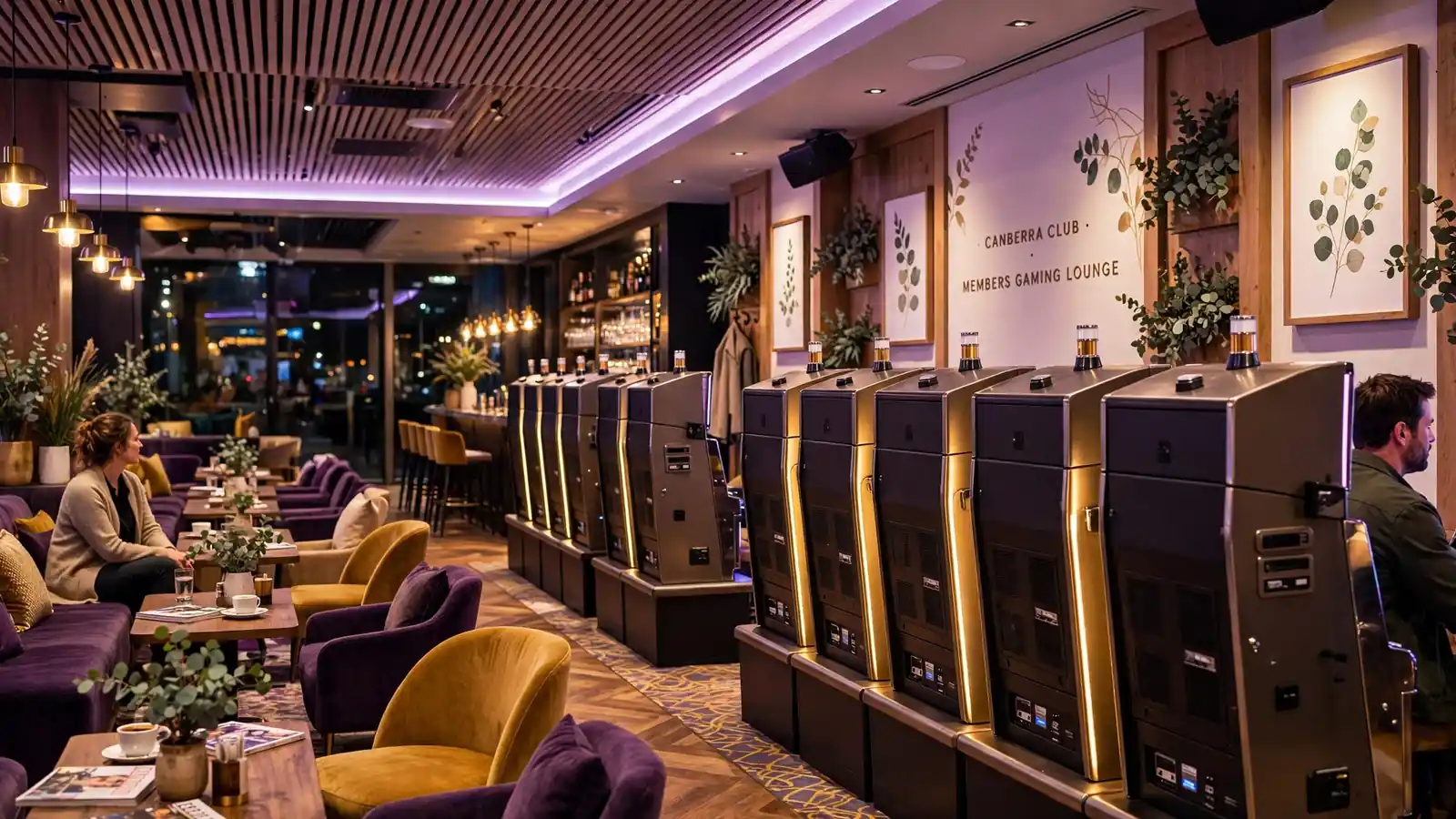
Airport-related searches can also blur distinct places. “Tasmania airport” does not identify a particular terminal or town, while a result for a nearby suburb may still require travel. A venue name appearing alongside an airport in a map or directory is not, by itself, confirmation that the venue offers pokies. The venue’s own current information would need to confirm that detail; a separate, dependable map reference would be needed to assess the journey.
The same distinction applies to searches for pokies near a CBD or in northern Tasmania. These descriptions indicate a broad area, not a specific address or a measured distance. “Near me” is even less precise: its meaning depends on the location used by the device or service, which may not match the traveller’s intended starting point. A result can therefore be relevant to a general area without establishing that it is convenient from a particular hotel, transport stop or destination.
The wording that combines Tasmania and Victoria is also open to interpretation. It might refer to a search made from Victoria, a trip involving both states, or a location near a state boundary. Those possibilities cannot be resolved by the phrase alone. They should not be treated as evidence that a Tasmanian venue is close to a Victorian destination.
A sound location check separates three questions: whether a venue exists at the stated address, whether it offers pokies, and how far it is from the intended starting point. Each needs evidence suited to that question. An address can identify a place without confirming its facilities; a venue listing can describe facilities without establishing the route or travel time. Estimates also depend on the chosen origin and route, so a general regional description is not a substitute for a specific comparison.
- Identify the specific airport, CBD, or starting point
- Confirm the venue exists at the stated address
- Verify the venue currently offers pokies
- Measure the actual distance or travel time from the origin
For a destination-based search, the useful outcome is therefore not a statewide ranking but a clearly defined location comparison. The airport, CBD, northern area or other starting point needs to be specified, and the venue’s address and pokies offering need separate confirmation. Without those details, claims about the closest option—or about venues being near an airport—would go beyond what the location wording establishes.
Tasmanian Pokies Venues and Their Operating Context
A Tasmanian pokies venue is a physical setting associated with gambling machines, but the category alone says little about the particular experience available at any one location. A venue name, its general description or its association with hospitality does not establish what machines it offers, how many are present, or whether one location is better than another. Those details require venue-specific information rather than inference from the word “pokies”.
The phrase “best pokies venue” also needs a defined measure before it can support a comparison. It might refer to the range of machines, the wider venue environment or some other feature, but a ranking is not meaningful unless the criteria are stated and applied consistently. Without comparable information about individual venues, naming a Tasmanian location as the best would imply a level of assessment that cannot be substantiated.
The basic legal threshold is clearer. In Australia, gambling is restricted to people aged eighteen or older, and that minimum age applies across gambling forms, including pokies. It is therefore a general eligibility rule, not a distinction between one kind of venue and another. The age requirement does not, by itself, describe the machines available at a venue or establish any further conditions for entry.
Keeping these points separate helps avoid treating a statewide venue category as a directory. A search for pokies venues in Tasmania may be looking for a place to visit, but a general description cannot confirm the facilities of an individual establishment. Nor does the existence of a venue category establish that every venue offers the same gambling options or operates under identical arrangements. Specific claims need to be tied to the particular location and supported by current venue information.
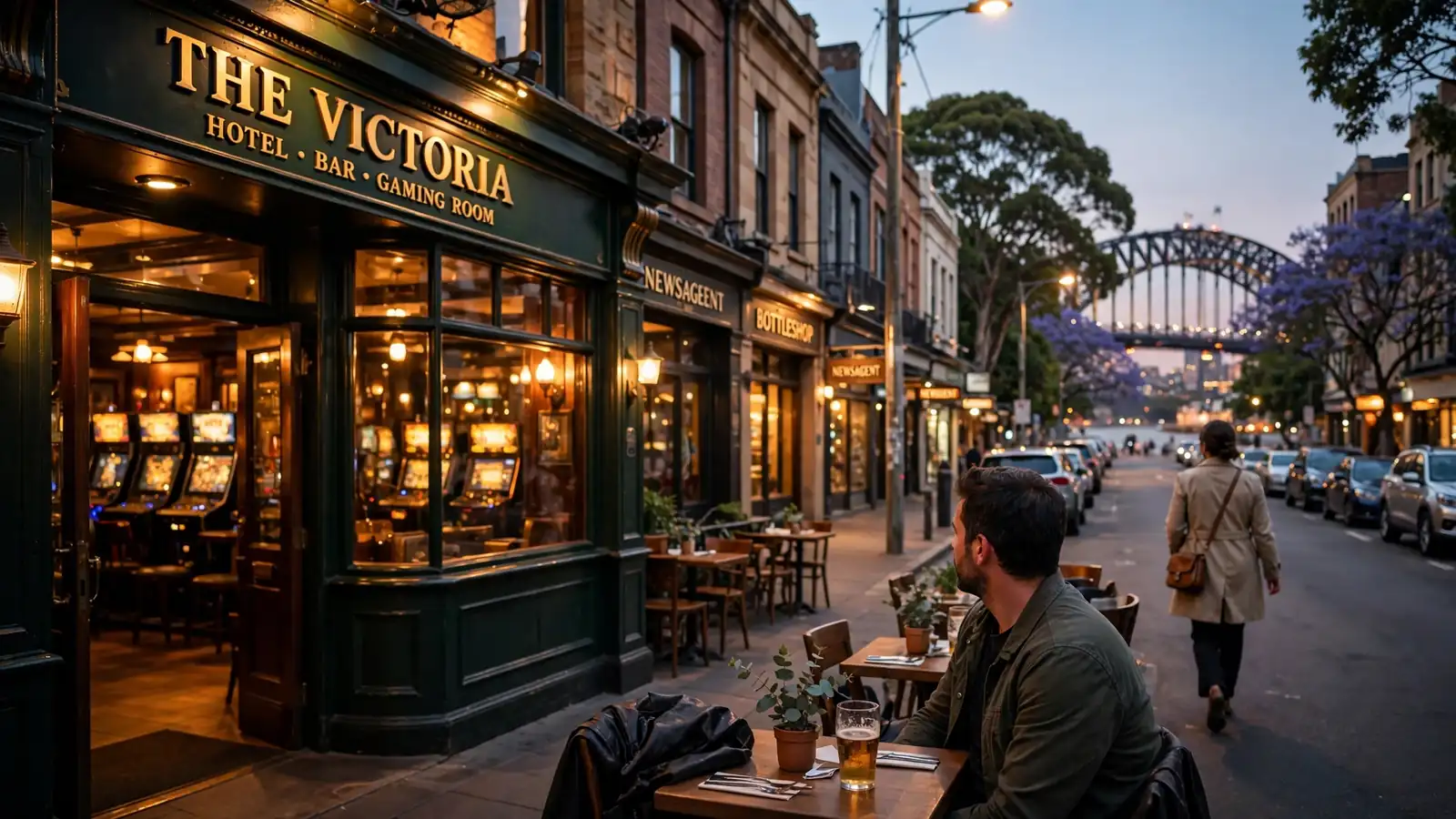
The same restraint applies to comparative language. “Best” is not an objective property unless the basis of comparison is specified. A claim based on machine performance, for instance, would require evidence about the relevant games and settings; a claim about the venue itself would need evidence about the features being compared. No statewide label can substitute for those details, and a confident-sounding ranking would risk presenting an unsupported preference as a finding.
For a general account of Tasmania’s physical pokies venues, the reliable points are therefore limited: the subject concerns land-based locations, and the national minimum gambling age is eighteen. The age rule is established; a ranking of individual venues is not. That distinction provides a more accurate account than implying that a single “best” venue can be identified from the category alone.
The Spirit of Tasmania and Online Casino Searches
Questions about pokies on the Spirit of Tasmania involve two separate matters: whether gaming machines are available aboard the ferry, and whether real-money online gambling can lawfully be offered to people in Australia. The ferry’s name, by itself, does not establish that pokies are installed onboard or that an internet connection there permits access to gambling services. Those details require current information about the vessel’s facilities and connectivity; they should not be inferred from a search result or from the fact that a service operates between Tasmania and the mainland.
The legal position for online play is clearer. Under the Interactive Gambling Act 2001, companies cannot lawfully offer real-money online pokies to people in Australia without a domestic licence. No such licences have been issued, and Australia has no licensed online casino. A website’s availability on a phone or computer, including while travelling, does not make its real-money casino service lawful for an operator to provide in Australia.
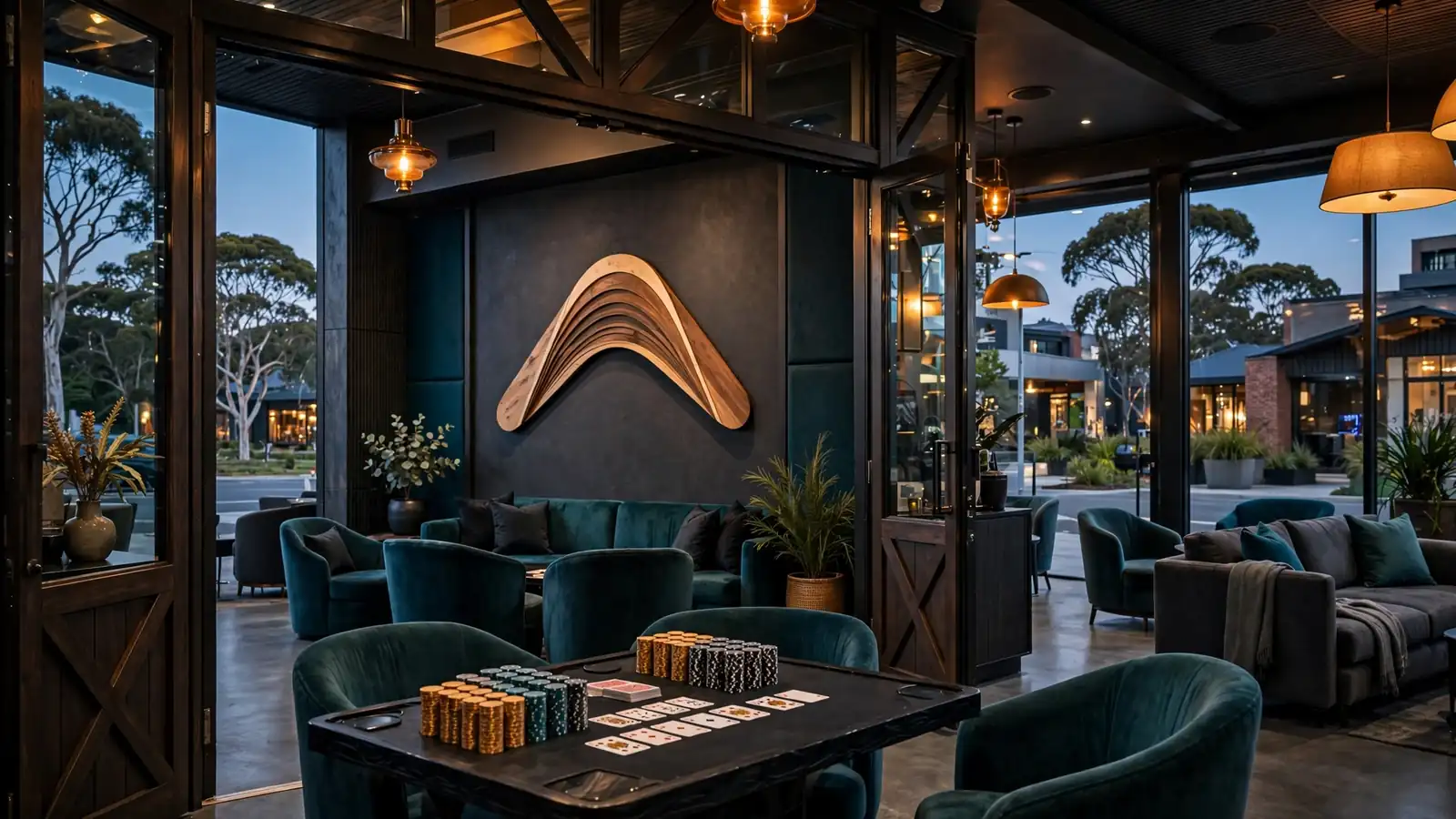
That distinction matters when onboard availability is considered. A physical pokie machine and an online casino are different forms of gambling; establishing one would not establish the other. Likewise, access to a network connection would not demonstrate that a particular gambling service is legally authorised. The ferry’s onboard facilities and the legal status of online casino services are separate questions.
References to a Crown casino in Tasmania also should not be treated as proof of a particular venue’s location, ownership or gaming facilities. A brand name included in a phrase is not enough to establish that a Crown-branded casino operates in Tasmania or that it has pokies. Venue details require confirmation independently of online casino claims.
The same legal distinction applies to online offers described as “no deposit” or aimed at Tasmanian players. A bonus label does not change the nature of real-money online pokies, nor does it create an Australian licence. Since no Australian-licensed online casino exists, such wording should not be read as evidence that a lawful domestic casino offer is available. An offer’s presence on a website is not proof that the operator may provide it to people in Australia.
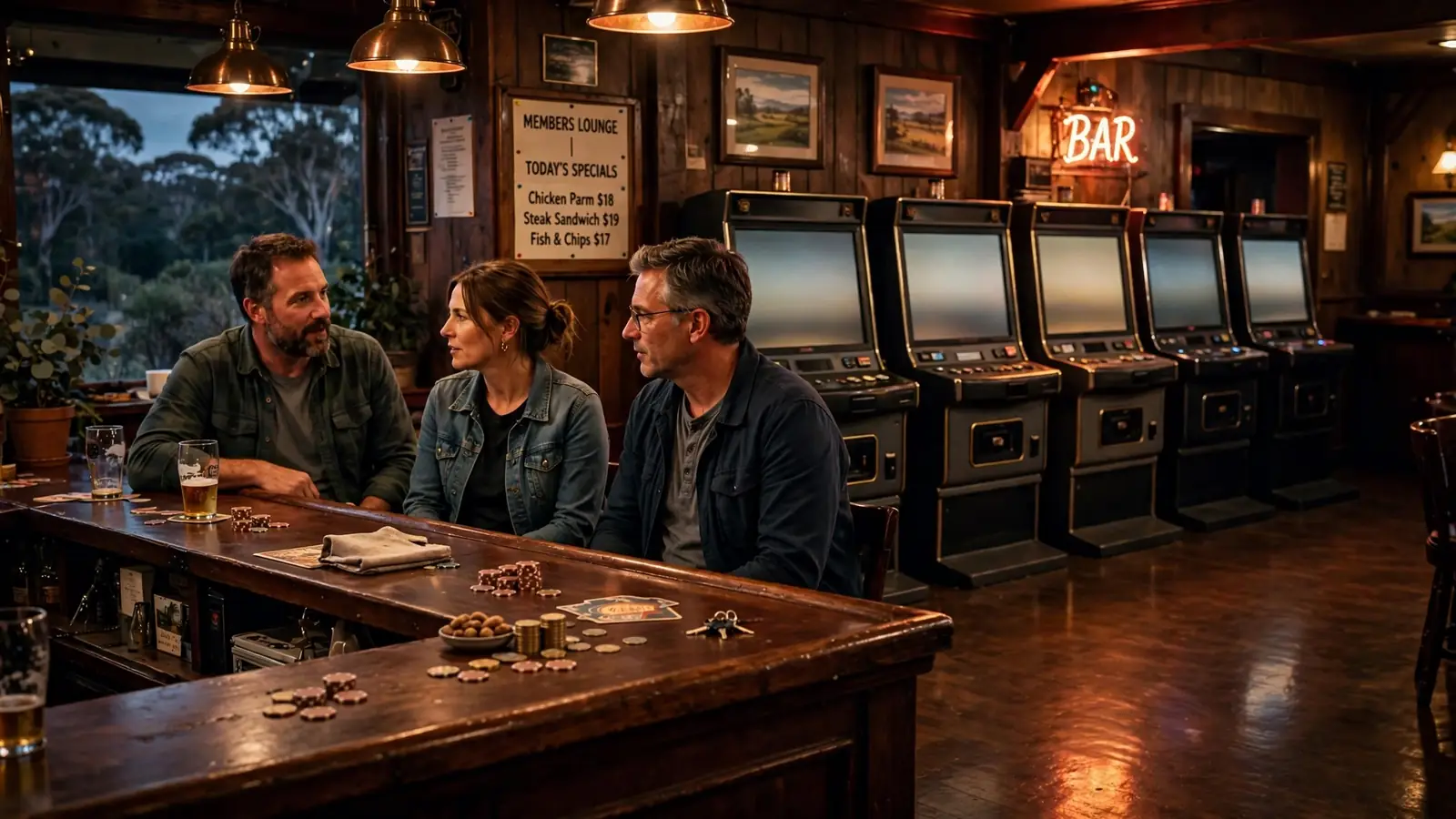
Accordingly, claims about pokies aboard the Spirit of Tasmania need to be assessed as claims about onboard facilities, while online real-money offers fall under the national interactive-gambling rules. Neither a ferry-related search nor a promotional label establishes the other.
Why 24-Hour Availability Cannot Be Confirmed
A claim that a Tasmanian venue operates around the clock is a statement about its actual opening schedule. It cannot be inferred from the presence of pokies, from a general description of a venue, or from responsible-gambling measures. Opening hours are venue-specific and may change; a broad label such as “24-hour pokies” does not establish that machines are available at every hour.
The same distinction applies to claims that a venue is open now. A schedule, even when published, may not confirm current operating status. Nor does an advertised opening time necessarily mean that the gaming area is open for the same hours as the rest of the venue. These are separate details and should not be treated as interchangeable.
Responsible-gambling measures address a different issue. Deposit limits can restrict the amount put into play, while loss limits can set a boundary on losses. Session time limits concern the duration of play, and self-exclusion allows a person to bar themselves from gambling. These tools do not set a venue’s opening hours, guarantee that pokies are available at a particular time, or show that a venue remains open continuously.
In particular, a session time limit is not evidence of a closing time. It is a control on an individual gambling session, rather than a timetable for the venue. Similarly, the existence of limits or self-exclusion options cannot support an inference that machines operate through the night.
For searches concerning 24-hour venues or Tasmanian pokies opening hours, the useful distinction is between a general description and a current, venue-specific schedule. Without reliable information tied to a particular venue and date, a statement about continuous availability would go beyond what can be established. The same caution applies to claims that pokies are open at a particular hour: the wording of a listing alone is not enough to confirm the status of the machines then.
Pokies in Tasmania: What the Available Evidence Shows
“Pokies in Tasmania” describes a broad category, not a single type of machine or a uniform set of conditions. A Tasmanian venue’s location alone does not establish which games it has, how its machines are configured or what limits apply. Those details belong to the individual machine and venue, rather than following from the state label.
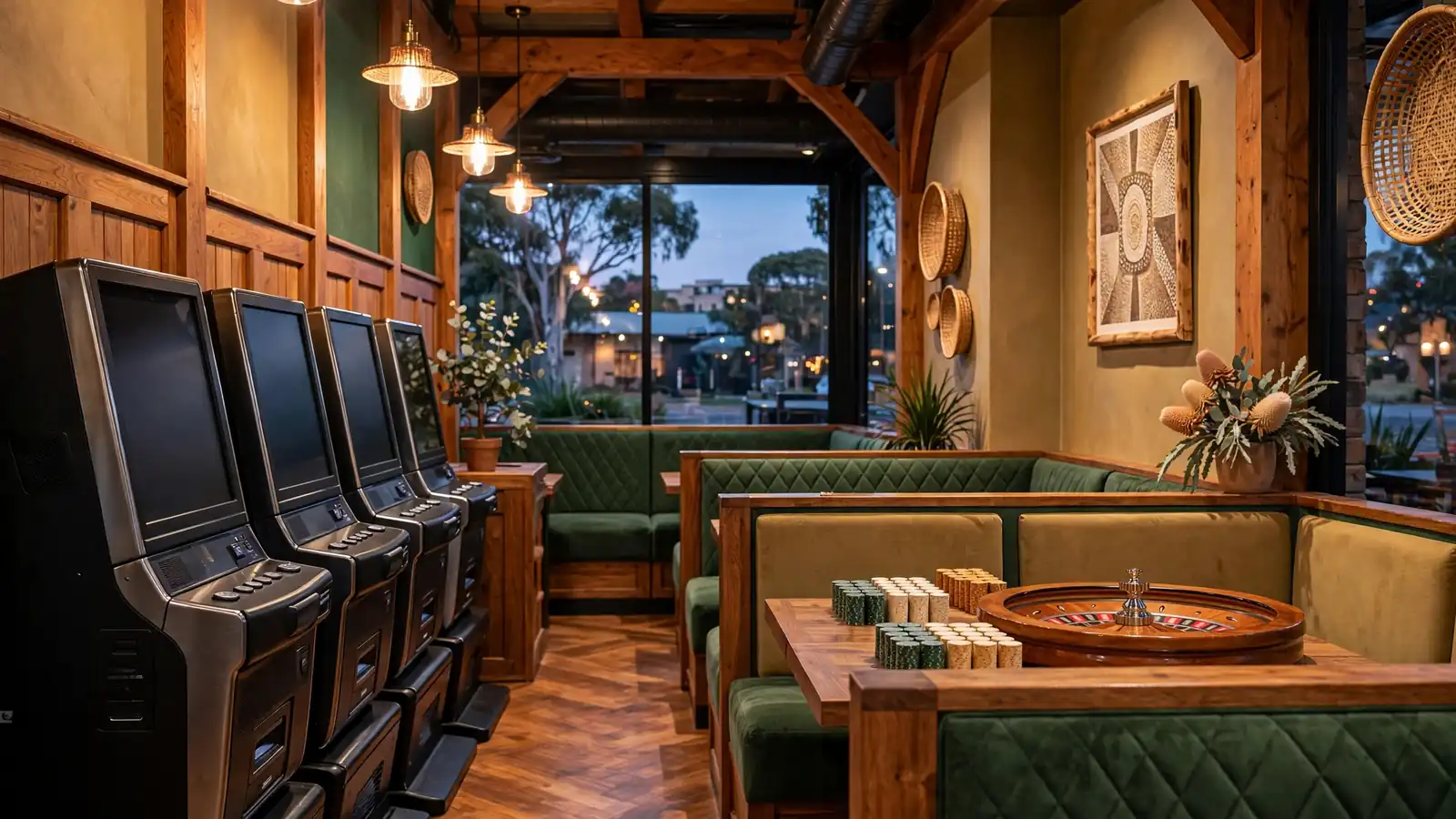
This distinction matters when assessing claims about the “best” pokies in Tasmania. A game’s name or reputation cannot establish the settings on a particular machine. Some game providers allow venues to choose between different return-to-player settings for the same game, so the title alone may not identify the setting in use. Nor does a past result establish what a later spin will produce: each spin is an independent event determined by a Random Number Generator.
Questions about maximum bets and cash payouts require similarly specific information. The term “maximum bet” refers to a machine’s permitted stake under its particular configuration; it should not be treated as a statewide figure. A maximum cash payout is a separate matter and should not be inferred from the size or presentation of a game’s advertised prize. Without details for the particular machine and its applicable conditions, neither figure can be stated reliably for Tasmania as a whole.
Place names also need careful handling. A reference to a town or district does not, by itself, identify a Tasmanian venue or establish that pokies are available there. The same principle applies to broad descriptions of local gaming: a regional label is not a directory, and it cannot support claims about the machines at an individual site.
There are a few general points that do apply across gambling contexts in Australia. The legal age for gambling, including pokies, is 18. Responsible-gambling tools include deposit limits, loss limits, session time limits and self-exclusion. These measures concern how gambling can be managed; they do not describe a machine’s payout settings or predict its results.
Accordingly, a useful account of Tasmanian pokies separates statewide context from machine-level detail. The state name can indicate where a venue is located, but it does not settle which games are present, what stake settings they use or what payout conditions apply. Such claims require information tied to the specific venue or machine and should not be generalised across Tasmania.
Online Pokies Searches and the Limits of Mobile Access
A phone or browser can provide a way to reach an online service, but technical access does not establish that the service is lawful in Australia, licensed locally or subject to Australian consumer protections. A page loading on a mobile device is evidence only of access at that moment; it does not confirm the operator’s legal status or guarantee that a withdrawal will be honoured.
Under the Interactive Gambling Act 2001, operators cannot lawfully provide real-money online pokies to people in Australia without a domestic licence, and no such licences have been issued. The law is directed at providers rather than individual players. Australians may legally play on offshore sites that accept them, but that does not make those services Australian-licensed or provide the protections associated with a domestic gambling framework.
The distinction matters for people considering online pokies while in Tasmania. Searching for a casino service that works on a mobile device, or opening a site through a browser, cannot establish that it is authorised to offer real-money games to Australians. Nor does a polished mobile interface, an account facility or the apparent availability of particular games demonstrate that an operator is accountable under Australian law.

Access may also be affected by enforcement. The Australian Communications and Media Authority (ACMA) blocks illegal offshore gambling sites, and internet service providers must comply with its blocklist. As a result, a site’s availability can differ over time or across connections. A site that loads is not thereby approved; one that does not load may be blocked. Neither outcome establishes anything about a game’s likely returns.
There is a separate consumer risk. If an offshore casino refuses to pay winnings, an Australian player has no legal recourse in Australia. This is not a question of whether the site is easy to use on a phone or whether its pages appear professional; it concerns the absence of an Australian-licensed online casino and an Australian route to resolve a withheld payment. Any apparent ease of access should therefore be kept distinct from enforceable protection.
Searches for online pokies in Tasmania can reflect interest in playing remotely, but mobile compatibility cannot answer the central legal and financial questions. The legal position concerns the operator’s provision of the service, while the lack of Australian recourse concerns what happens if a dispute arises. These points remain relevant whether a site is opened on a phone, tablet or computer. A technical feature should not be treated as evidence of lawful local provision, reliable withdrawals or recourse in the event of a dispute.
Pokies in Hobart CBD and Local Clubs
A search for pokies in Hobart’s central business district or at Tasmanian clubs can refer to several distinct questions: whether a venue has pokies, whether it is a club rather than another type of venue, and whether its location suits a particular visit. These points should not be treated as interchangeable. A CBD address does not establish that a venue has gaming machines, and a club’s name or membership status does not establish that it provides them.
Accordingly, “best pokies” in the CBD cannot be used as a reliable venue ranking without comparable, current information about the venues and their facilities. Nor does the word “best” identify a measurable standard on its own. It might refer to location, the venue setting or the range of facilities, but each would require separate evidence. Claims about particular Hobart clubs or machine availability should therefore be checked against direct, up-to-date venue information rather than inferred from broad labels.
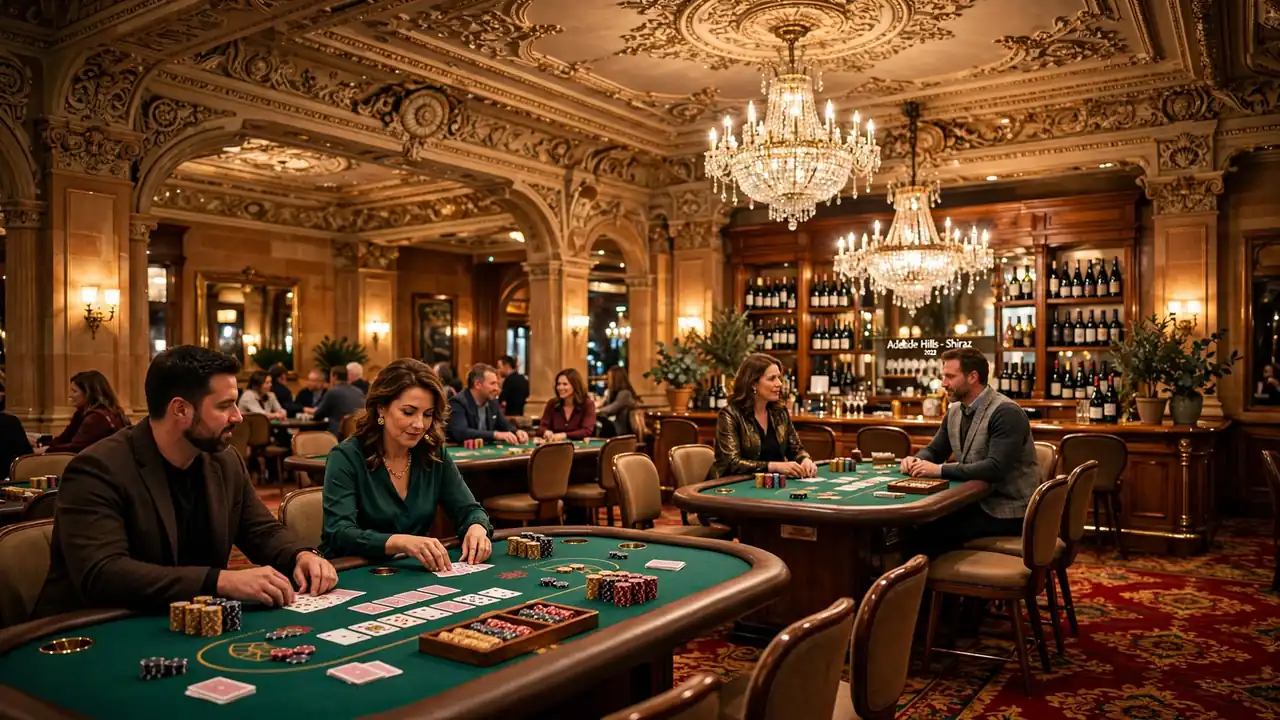
The distinction matters because online casino services and physical venues have different legal contexts. Under the Interactive Gambling Act 2001, operators cannot provide real-money online casino games, including pokies, to people in Australia. The law addresses the operator, not the individual player. This legal position does not establish which physical venues in Hobart have pokies, and it should not be used as a substitute for checking venue details.
For club-related information, useful details include whether the venue itself confirms that pokies are available and whether its published conditions apply to access. Information about food, events or membership does not by itself confirm gaming facilities. Venue listings can also become outdated, so a listing alone is not conclusive evidence of current arrangements.
Self-exclusion is a separate consideration from identifying a club. Deposit and loss limits, session time limits and self-exclusion are responsible-gambling tools. BetStop applies to Australian-licensed operators and does not bind offshore sites; it should not be assumed to govern access to pokies at a physical club. These distinctions help keep local venue information separate from online gambling rules and from personal harm-minimisation measures.
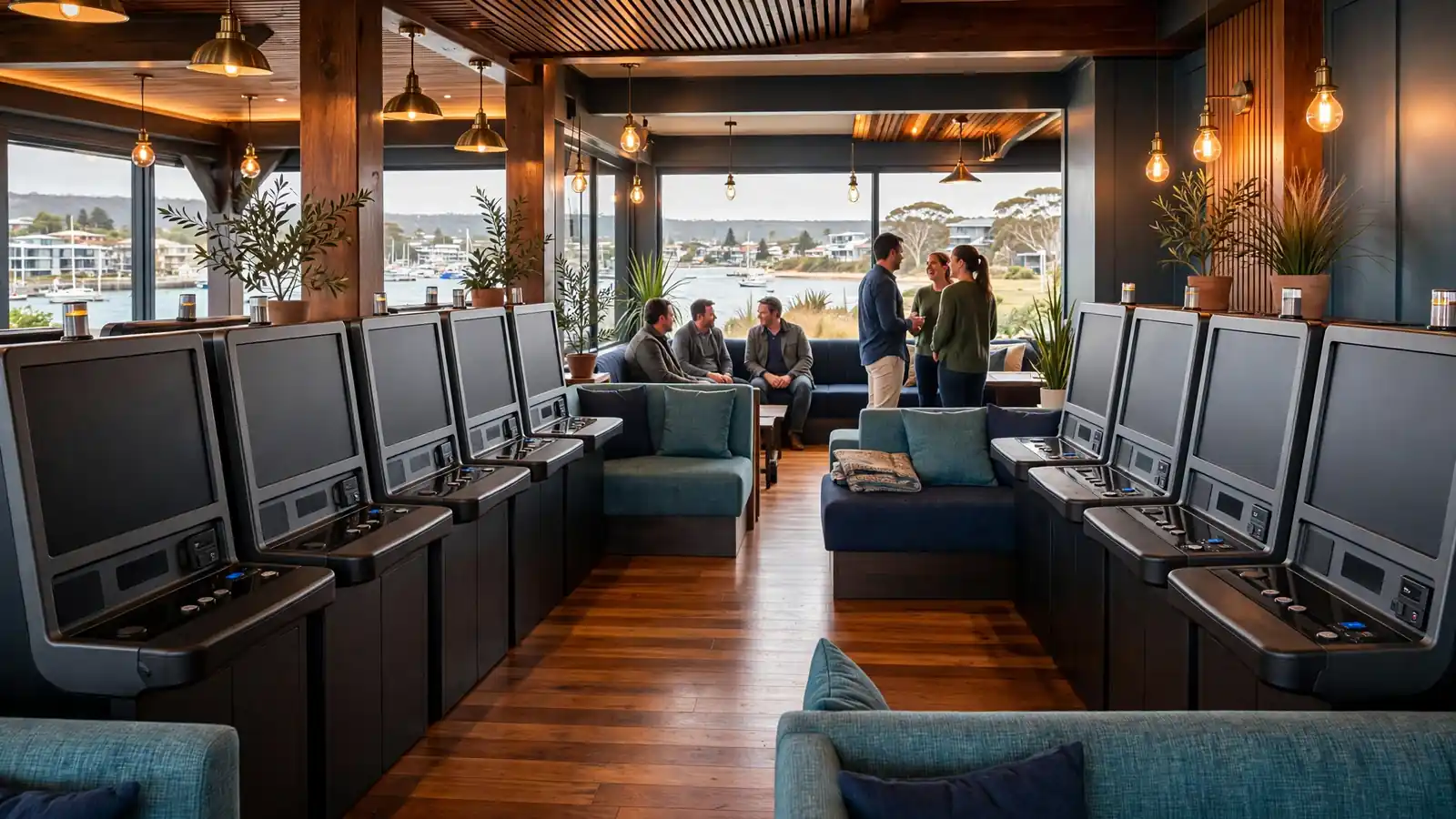
Cashless Pokies Searches and PayID
Cashless payment and PayID refer to different parts of a transaction. PayID is an alias service connected to Australia’s New Payments Platform (NPP): a bank transfer can be addressed using an email address, mobile number or Australian business number instead of entering account details. It does not, by itself, describe how a physical pokie accepts payment.
A venue’s use of cashless systems cannot be inferred from the word “PayID”. The payment method’s role in bank transfers does not establish that it is available at a gaming machine in Tasmania, including in a particular town or venue. Claims about cashless pokies therefore require venue-specific confirmation; a payment option described for an online service is not evidence of an on-site facility.
PayID is also not a signal that an online gambling service is licensed, fair or transparent. Under the Interactive Gambling Act 2001, operators cannot legally provide real-money online casino games to people in Australia without a domestic licence, and no such licences have been issued. A transfer method does not change that legal position.
A specialist gambling-payment review has reported that some Australian banks, including major banks, may block PayID transfers to gambling merchants they identify. This is a qualified report, not a guarantee that a transfer will be accepted or declined in any particular case. Bank controls and payment decisions can vary, and a successful transfer would not establish the legality of the service receiving it.
The distinction matters when interpreting claims about cashless gambling: PayID is a way to address bank transfers, while acceptance at a physical pokie is a separate venue-level feature. Neither the presence of PayID nor a cashless label should be treated as proof of an online operator’s regulatory status or as confirmation of machine payment arrangements in Tasmania.
What is the best payment method for fast withdrawals in Australia?
E-wallets such as Skrill and Neteller are popular for their speed. Check the casino’s withdrawal terms and complete identity verification, which is commonly required before a first withdrawal.
Are online pokies rigged?
Each spin is an independent random event determined by a Random Number Generator (RNG). The same game may also have different RTP settings at different casinos.
Can casinos change the RTP of their games?
Yes. Some game providers let casinos choose from multiple RTP settings for the same game, so check the setting that applies at the casino you use.
What is the legal age for online gambling in Australia?
You must be 18 or older to gamble online in Australia.
What does “wagering requirement” actually mean?
It is the amount you must bet before bonus winnings can be withdrawn, expressed as a multiplier. For example, a $500 bonus with a 40x requirement means $20,000 in bets before withdrawal.
How do I know if an online casino is safe to play at?
There is no Australian-licensed online casino, and Australian players have no legal recourse in Australia if an offshore casino refuses to pay winnings. ACMA blocks access to illegal offshore gambling sites, but that does not guarantee an offshore casino will pay you.
Created by the ”Rizspin Casino” editorial team.